Packing for a dog's boarding stay takes ten minutes when you know what matters and an hour of second-guessing when you do not. Owners in China Grove tend to overpack comfort items and underpack the two things kennels actually run short on: clear feeding instructions and enough of the dog's regular food. This how-to walks through the bag in the order staff will use it, including the parts you can handle yourself and the points where the facility's rules take over.
Pet Peeps Boarding takes small and large dogs for overnight and extended stays. Whatever the length of the trip, the packing logic is the same: keep the dog's stomach steady, keep medications unmistakable, and send comfort items that help without creating laundry or safety problems.
Food: the item that matters most
Send the food your dog already eats, in the amount the stay requires plus a little extra for a delayed return. A sudden food switch is the most common cause of an upset stomach at a kennel, and it is entirely avoidable. Pre-portioning each meal into labeled bags or containers removes guesswork for staff feeding a full house of dogs at once.
Write the instructions the way you would want to read them at six in the morning: how much, how often, and anything added on top, such as a spoonful of wet food or water to soften kibble for an older dog. If your dog is a grazer at home, say so honestly, and understand the kennel will likely feed set meals instead. Most grazers adjust within a day when the food itself stays familiar.

Packing the bag, step by step
- Portion the food first. One labeled container or bag per meal, plus two extra meals in case your return is delayed. Add a note with amounts and feeding times.
- Set up medications separately. Keep pills in their original labeled containers, and add a written schedule with the dose, the time, and how your dog takes it best, such as in a pill pocket or a slice of hot dog.
- Choose one bedding item. A washable blanket or bed cover that smells like home is plenty. Skip anything large, expensive, or stuffed in a way that would be a problem if chewed apart.
- Add a leash and a fitted collar. The collar should carry an ID tag with your current phone information. Harnesses you use for walks can come too, labeled with your dog's name.
- Include a short note for staff. Feeding quirks, words your dog knows, what scares him, and your veterinarian's name. One page, plain language, beats a long letter.
- Leave the extras at home. Bowls, big toys, and rawhide-style chews are usually unnecessary. Kennels have bowls, and unsupervised chews are a choking risk staff cannot monitor.
Why the favorite toy sometimes stays home
That battered stuffed toy your dog carries room to room feels like the obvious comfort item to send. Think it through anyway. In a kennel, a beloved toy can get soiled, shredded during an anxious night, or become the one thing a normally mild dog guards fiercely in a strange place. Losing the irreplaceable favorite on its first boarding trip helps nobody.
A better choice is a duplicate or a sturdy, washable toy your dog likes but does not worship. If the facility runs group play, soft toys often stay out of play yards entirely for safety, so ask what is allowed in the kennel itself. The item most dogs actually settle with is bedding that smells like home, not a toy.
Paperwork and the professional line
Here is where your packing job ends and the facility's begins. Vaccination records are not optional paperwork: kennels require them to protect every dog in the building, and your round of records from the veterinarian needs to be current before drop-off, not promised for later. If your dog is due for a booster close to the stay, ask your vet about timing, since some vaccines need days to take effect before boarding is sensible.
Medication decisions are also on the professional side of the line. Do not send a new calming supplement you have never tried at home and hope it helps at the kennel. Test anything new on an ordinary weekend, with your vet's input for anything beyond food, so the first trial does not happen in a strange place on your travel dates.
Packing for longer stays
Extended stays add two considerations. First, food quantity: measure generously, because running out mid-stay forces exactly the abrupt food change you packed carefully to avoid, and the kennel's house food may not suit your dog. Second, refills: if a medication might run out during a long stay, arrange the refill with your veterinarian before you leave and tell the kennel where it stands.
For China Grove owners traveling during summer storm season or fall hurricane remnants, add one more line to your note: how your dog handles thunder and hard rain. Staff who know in advance can settle a storm-nervous dog in a quieter spot before the weather arrives, instead of learning about it at midnight.
Common questions
Should food be in the original bag or portioned out?
Portioned meals in labeled bags or containers are easiest for staff and prevent overfeeding. If you send the original bag instead, include a measuring scoop and written amounts.
Can I bring my dog's own bowls?
Most kennels prefer their own washable bowls and do not need yours. A slow-feeder bowl is the exception worth sending if your dog genuinely needs one to eat safely.
What happens if I forget something?
Facilities handle forgotten leashes and bedding every week. Forgotten medication is the serious one, so pack it the night before and check it again at drop-off.
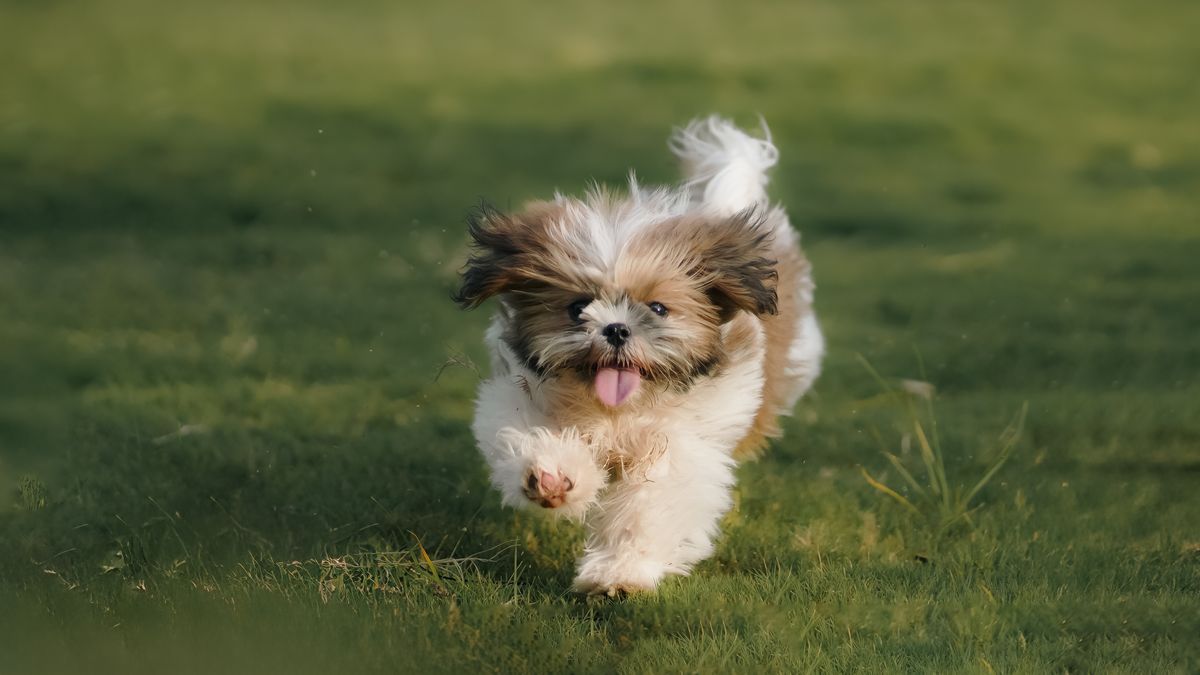
Photos in this guide are representative stock images.
← All guides from Pet Peeps Boarding← Back to Pet Peeps Boarding