A first boarding stay goes well when it is treated as an introduction, not a test your dog can fail. For China Grove owners planning a first trip away, the work happens before the suitcase comes out: a short visit, one easy overnight, and honest notes about how your dog eats, sleeps, and handles other dogs. This checklist walks through that preparation in order, with the signs that tell you each step is on track.
Pet Peeps Boarding offers weekday day stays as well as overnight and extended boarding, which makes a gradual start practical. You are not choosing between nothing and a week away. You can build the stay your dog is ready for.
Start with what your dog already knows
Dogs read routine as safety. A first-timer who already sleeps through the night in a set spot, eats meals at set times, and has spent a few hours away from you at a friend's house or a day stay has most of the skills boarding asks for. A dog who has never been apart from you for more than a grocery run is starting further back, and that is useful information, not a verdict.
Age matters less than experience. A confident six-month-old who has been socialized in small doses often settles faster than a five-year-old who has rarely left his own yard. Puppies do need their vaccination series far enough along for a facility to accept them, so check requirements early rather than the week of your trip.

The first-stay checklist
Before the first overnight: work through in order
- Trial visit done. Pass: your dog entered the facility willingly, met staff, and came home tired but normal. Fail for now: trembling that never eased or refusal to take any treat the whole visit.
- Day stay completed. Pass: the dog ate or at least drank, rested between play, and was glad but not frantic at pickup. Fail for now: pacing or barking that staff could not interrupt with food, play, or rest.
- Food plan written down. Pass: portions measured, times noted, and the dog already eats this food at home without stomach trouble. Fail: a brand-new food introduced for the trip.
- Records in hand. Pass: vaccination paperwork copied and ready before drop-off day. Fail: shots expiring right before the stay with no vet appointment booked.
- Sleep setup practiced. Pass: your dog has napped in a crate, pen, or separate room at home without a meltdown. Fail for now: the dog has never slept apart from you and panics behind a closed door.
- Goodbye rehearsed. Pass: you can hand over the leash, say a short calm goodbye, and walk out. Fail: long emotional farewells, which teach the dog that leaving is alarming.
- Backup contact set. Pass: a local person who can pick up or make decisions is listed and knows it. Fail: staff would have no one reachable while you are on a flight.
Choosing the first stay itself
Make the first overnight short and boring on purpose: one night, ideally not during a holiday rush when the kennel is full and at its loudest. Drop off in the morning so the dog gets a full day of activity and a meal in the building before facing the night. A dog dropped off at dusk goes straight from the car to the hardest part.
Timing at home matters too. Avoid stacking firsts. A first boarding stay the same week as a move, a new baby, or losing a housemate dog asks too much at once. If your travel dates are fixed and life is already unsettled, keep the trial steps anyway and shorten the first booking as much as the trip allows.
What the first night usually looks like
Expect a dog who is tired, hungry, and slightly clingy when he gets home, and expect to hear that the first evening was the wobbliest part. Many first-timers eat lightly the first night and normally by the second morning. Staff notes from that first stay are gold: they tell you whether your dog did better with group play or quieter turnout, whether he settled in his kennel or needed an extra walk, and how the night went.
Judge the stay by the second visit, not the first. A dog who walks in the second time with his tail up, recognizing staff and the routine, has learned the important lesson: this place is temporary, and you always return. That is the foundation every longer stay is built on.
When to pause and rethink
A small number of dogs tell you clearly that boarding, at least right now, is the wrong tool. A dog who injures himself against the kennel, refuses all food and water past the first day, or stays frantic rather than tiring out needs a different plan and possibly a talk with his veterinarian about anxiety. That is not a spoiled dog or a failed owner. It is information, gathered cheaply on a trial night instead of during your longest trip of the year.
Common questions
How young can a dog be for a first stay?
It depends on the facility's vaccination requirements, since puppies must be far enough through their shot series to stay safely around other dogs. Ask when you book the trial visit, not the week of travel.
Is one trial overnight really enough?
For most dogs, yes: one day stay plus one overnight teaches the routine and proves the dog can eat and sleep there. Anxious dogs benefit from a second overnight before anything longer.
Should I call to check on my dog during the stay?
A check-in is fine and most facilities welcome it. Keep it to once a day at most, and remember that a dog who was wobbly at bedtime is often playing happily by the time you call.
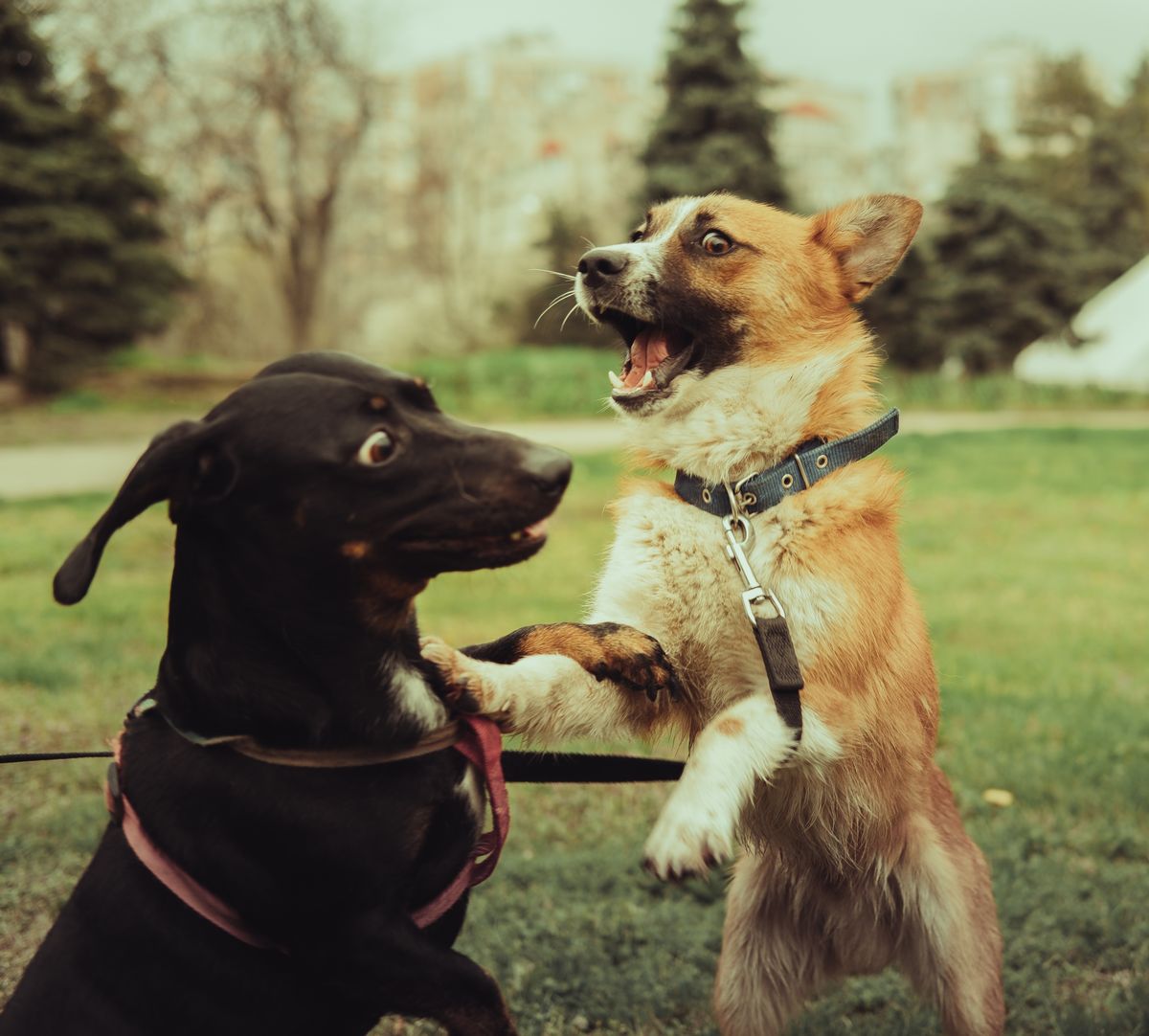
Photos in this guide are representative stock images.
← All guides from Pet Peeps Boarding← Back to Pet Peeps Boarding